
The historical evolution of casinos A journey through time and culture
Origins of Gambling in Ancient Civilizations
The roots of gambling can be traced back to ancient civilizations where games of chance were played using rudimentary materials. Archaeological findings suggest that the earliest forms of gambling originated in Mesopotamia, around 3000 BCE. People utilized dice made from materials like bone or ivory, engaging in games that laid the groundwork for modern gambling practices. These games often held social significance, intertwining with rituals and celebrations within the community.
In Ancient Egypt, gambling was not just a pastime but also a cultural staple. Games involving dice and betting were enjoyed by pharaohs and commoners alike. The Egyptians crafted elaborate games, some of which were depicted in hieroglyphs. This fascination with chance and luck permeated their society, influencing their religious practices and daily life, showcasing that the allure of gambling transcended social classes and cultural boundaries.
Similarly, in ancient China, gambling took on a different form. The earliest evidence of gambling in China dates back to 2300 BCE, with tiles used for games resembling modern-day lottery systems. By the time of the Han Dynasty, around 206 BCE to 220 CE, organized gambling was prevalent, often linked to festivities and communal gatherings. These early forms of gambling not only provided entertainment but also fostered community interactions, emphasizing the cultural significance of these activities.
The Rise of Formal Gambling Establishments
The concept of formal gambling establishments began to take shape in the 17th century, particularly in Italy, where the first public gambling houses, known as “ridotti,” emerged. These venues catered to the wealthy elite, providing a space for refined gambling activities, including card games and betting on events. In this context, Lucky Dreams represents a modern evolution of such establishments, blending traditional and innovative gaming experiences. The opulence of these establishments marked a significant shift from informal gambling practices, emphasizing the growing acceptance of gambling as a form of entertainment and a social activity.
As gambling houses spread throughout Europe, particularly in France and England, the development of games like baccarat and roulette became synonymous with these establishments. The allure of high-stakes gambling attracted aristocrats and commoners, blurring the lines of social stratification. This period marked a crucial turning point, where gambling transitioned from a clandestine activity to an accepted leisure pursuit, reflected in literature and popular culture of the time.
The 19th century witnessed the establishment of casinos in major cities across Europe, including Monte Carlo, which became a hallmark of luxurious gambling. These casinos not only offered games but also served as venues for social interaction, showcasing performances and lavish events. The aesthetic appeal of these gambling houses, combined with the thrill of chance, solidified the casino as a cultural phenomenon, leading to the eventual emergence of similar establishments worldwide.
The American Gambling Boom
The 20th century heralded a significant transformation in the gambling landscape, particularly in the United States. The legalization of gambling in Nevada in 1931 marked a pivotal moment, paving the way for the establishment of Las Vegas as the gambling capital of the world. This era introduced extravagant casinos, complete with entertainment, luxurious accommodations, and a diverse array of gaming options, drawing visitors from across the globe.
The post-World War II era further fueled the gambling boom, with Las Vegas evolving into a cultural icon synonymous with glamour and fortune. Iconic casinos like The Flamingo and The Sands became hotspots for celebrities, cementing the city’s reputation as a playground for the rich and famous. The blend of entertainment and gambling created a unique atmosphere, attracting millions and revolutionizing the approach to casinos, making them not just places to gamble but comprehensive entertainment hubs.
As gambling expanded beyond Nevada, other states began to recognize its potential for economic growth. The introduction of state lotteries and the legalization of gambling in places like Atlantic City in the late 1970s diversified the gambling landscape. The rise of riverboat casinos and tribal gaming establishments highlighted the growing acceptance and normalization of gambling, embedding it into the cultural fabric of American life, and leading to ongoing debates about its social implications.
The Digital Transformation of Gambling
The advent of the internet in the late 20th century heralded a new era for gambling, radically transforming how individuals engage with games of chance. Online casinos began emerging in the mid-1990s, allowing players to enjoy their favorite games from the comfort of their homes. This shift not only expanded accessibility but also introduced innovative gaming options, making gambling available to a broader audience than ever before.
As technology advanced, online gambling platforms began incorporating live dealer games, replicating the casino experience virtually. This convergence of technology and gambling has enhanced player engagement through interactive features and social elements. Players can interact with dealers and fellow gamblers, fostering a sense of community while enjoying the thrill of betting, showcasing how digital platforms maintain the social aspects of traditional casinos.
The rapid growth of mobile gaming has further propelled the gambling industry into the digital age. With the rise of smartphones, players can now gamble anytime, anywhere, creating a new dynamic that traditional casinos must navigate. This evolution raises questions about regulation, addiction, and the psychology of gambling, as the ease of access may lead to increased participation and potential challenges related to responsible gambling practices.
Exploring Modern Casino Culture
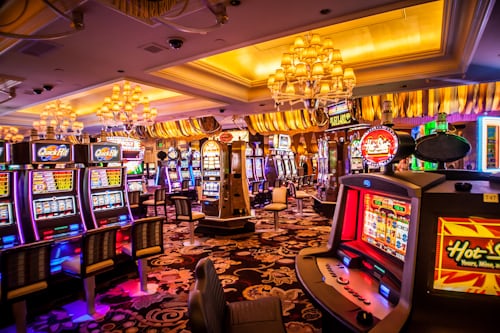
Today, casinos represent more than just venues for gambling; they are cultural landmarks that reflect societal values and trends. The integration of entertainment, luxury, and hospitality has transformed casinos into multifaceted destinations, appealing to a wide array of demographics. From themed resorts in Las Vegas to intimate gaming lounges in urban settings, the diversity of casino experiences caters to various preferences and lifestyles.
The cultural significance of casinos is also visible in popular media, with films, television shows, and literature frequently depicting gambling as an exhilarating pursuit. This portrayal has shaped public perceptions, often romanticizing the casino experience while highlighting the risks associated with gambling. The interplay between reality and fiction continues to influence how society views gambling and the dynamics of casino culture.
Furthermore, the evolving landscape of responsible gaming has prompted casinos to adopt practices that prioritize player safety and well-being. Educational initiatives, self-exclusion programs, and awareness campaigns aim to foster a healthier relationship with gambling. As casinos navigate the complex interplay of entertainment, culture, and responsibility, they remain a vital aspect of social life, reflecting broader societal changes and challenges in contemporary culture.

Lucky Dreams: Your Online Casino Destination
In the evolving landscape of gaming, Lucky Dreams stands out as a premier online casino destination tailored for Australian players. With a vast selection of over 2,600 games, including slots, table games, and live dealer options, Lucky Dreams aims to provide an unparalleled gaming experience. The site seamlessly blends the excitement of traditional casinos with the convenience of online access, enabling players to indulge in their favorite games anytime and anywhere.
Lucky Dreams also emphasizes player satisfaction by offering enticing bonuses and promotions, such as a generous welcome bonus of 100% up to A$1,000. This commitment to enhancing the gaming journey reflects the growing importance of online platforms in the broader casino culture, illustrating how digital innovation has transformed the gambling experience. With secure transactions, fast payouts, and round-the-clock customer support, Lucky Dreams ensures a seamless and enjoyable adventure for all players.
As the online gambling industry continues to flourish, Lucky Dreams serves as a testament to the enduring allure of casinos throughout history. By combining a rich selection of games, user-friendly interface, and strong player support, Lucky Dreams is positioned as a leading choice for those seeking an engaging and responsible online gaming experience. The journey through time and culture reflects the evolution of casinos, with online platforms like Lucky Dreams defining the future of this vibrant industry.
Recent Comments